Smart Containers & IoT in Global Logistics – Case Study
Overview
Global supply chains are becoming increasingly complex, requiring real-time monitoring, data-driven decisions, and operational efficiency. Hapag-Lloyd, one of the world’s leading shipping companies, has introduced a large-scale smart container initiative powered by IoT technology to address these challenges.
The Challenge
Traditional logistics systems relied on static updates and manual processes, leading to:
- Limited visibility of container location
- Delayed decision-making
- Inefficient planning of inland transport
- Lack of real-time data integration
The Smart Container Solution
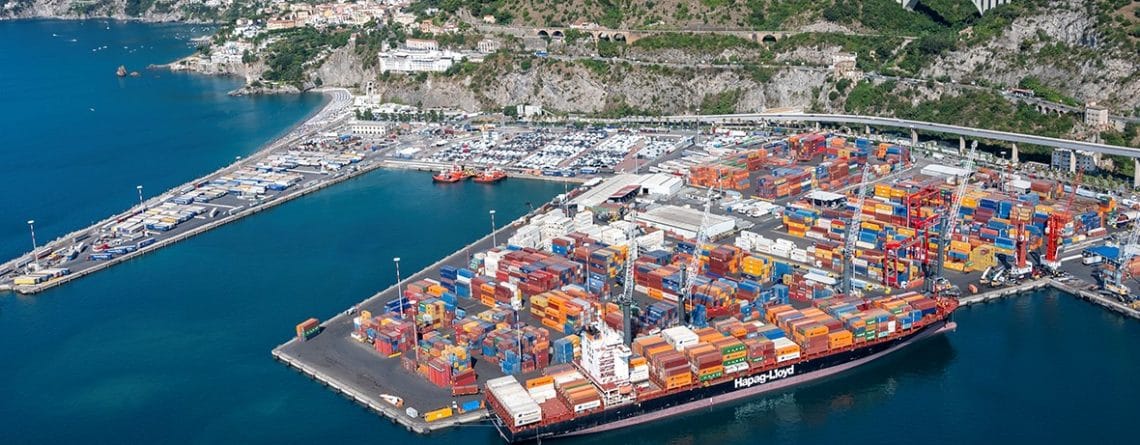
Hapag-Lloyd deployed IoT devices across more than 85% of its dry container fleet, enabling real-time tracking and data collection at a global scale.
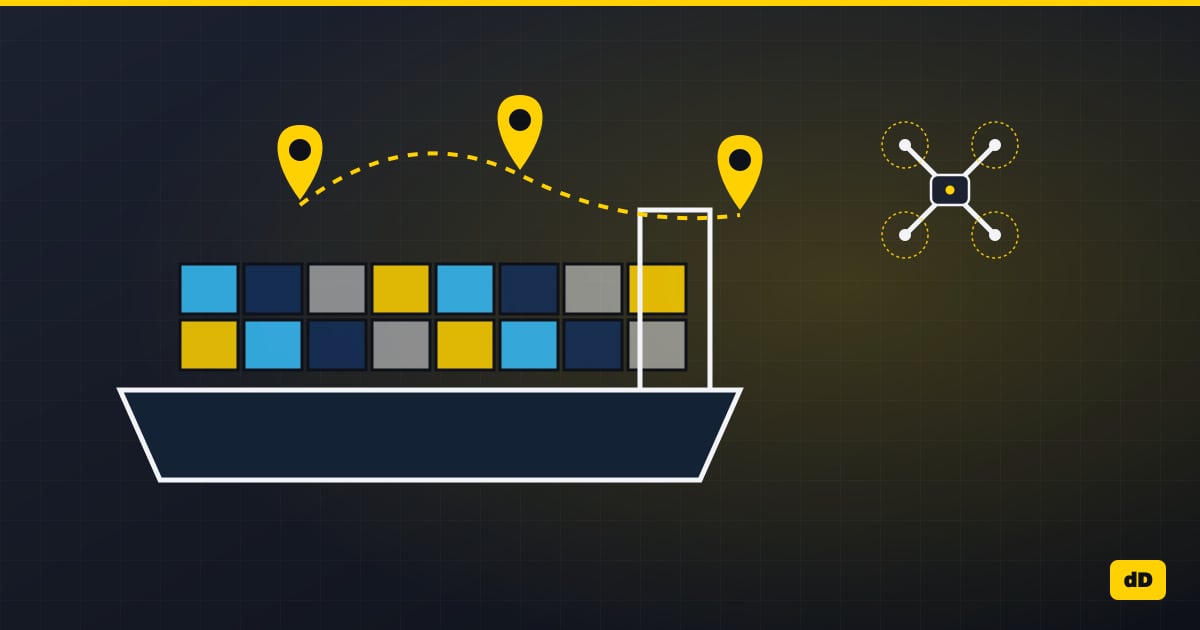
- Real-time GPS container tracking
- Data transmission every 15 minutes
- Integration with digital platforms via APIs
- End-to-end visibility from origin to destination
Key Technologies
- IoT-enabled container devices
- Real-time GPS tracking systems
- Cloud-based data platforms
- API integration for enterprise systems
Operational Model
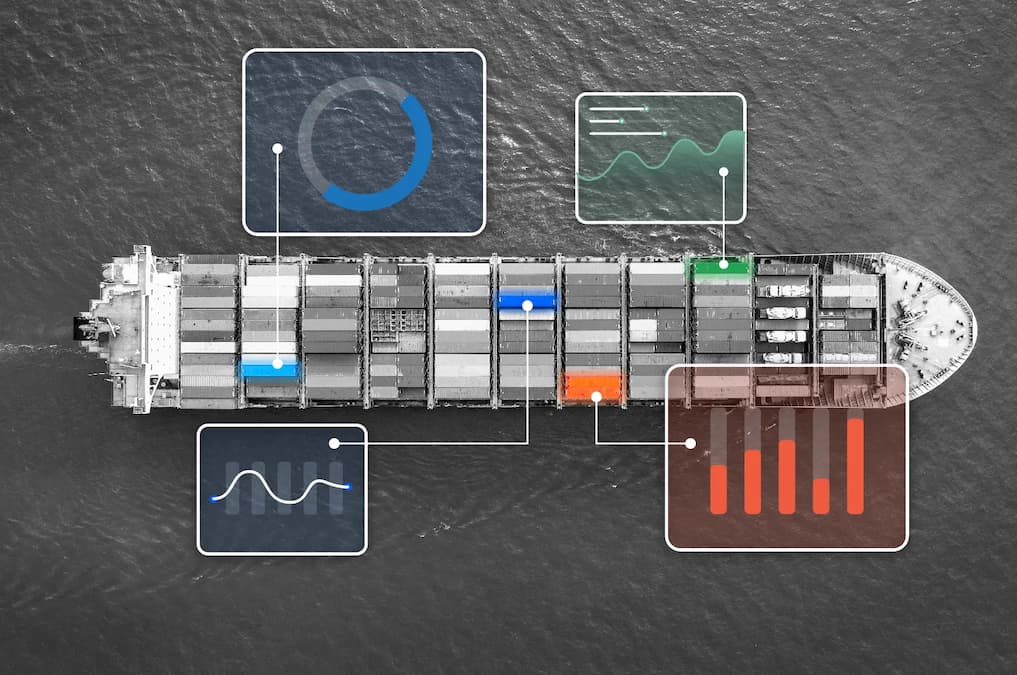
Each container is equipped with an IoT device that continuously transmits location data. This data is processed and displayed through platforms like “Live Position,” allowing customers to monitor shipments in real time and optimize logistics planning.
Advanced Capabilities
- Dynamic ETA prediction based on real-time data
- Detection of delays and route deviations
- Integration with customer logistics systems
- Data-driven decision-making
Results & Impact
- Improved supply chain transparency
- Faster and smarter decision-making
- Reduced manual processes
- Enhanced customer satisfaction
Strategic Insight
Smart containers are no longer optional — they are becoming a core component of modern logistics. The ability to continuously monitor, analyze, and respond to real-time data is now a competitive advantage in global trade.
Future Outlook
The future of logistics lies in fully connected supply chains where containers, systems, and stakeholders operate in a unified digital ecosystem powered by IoT and advanced analytics.